Magazine
AI camera glasses: Dutch data protection authority issues warning – what it means for creators
After testing six AI camera glasses, the Dutch data protection authority advises against buying them. For creators and brands, filming discreetly is becoming a compliance and trust problem.
Contents · 4 sections
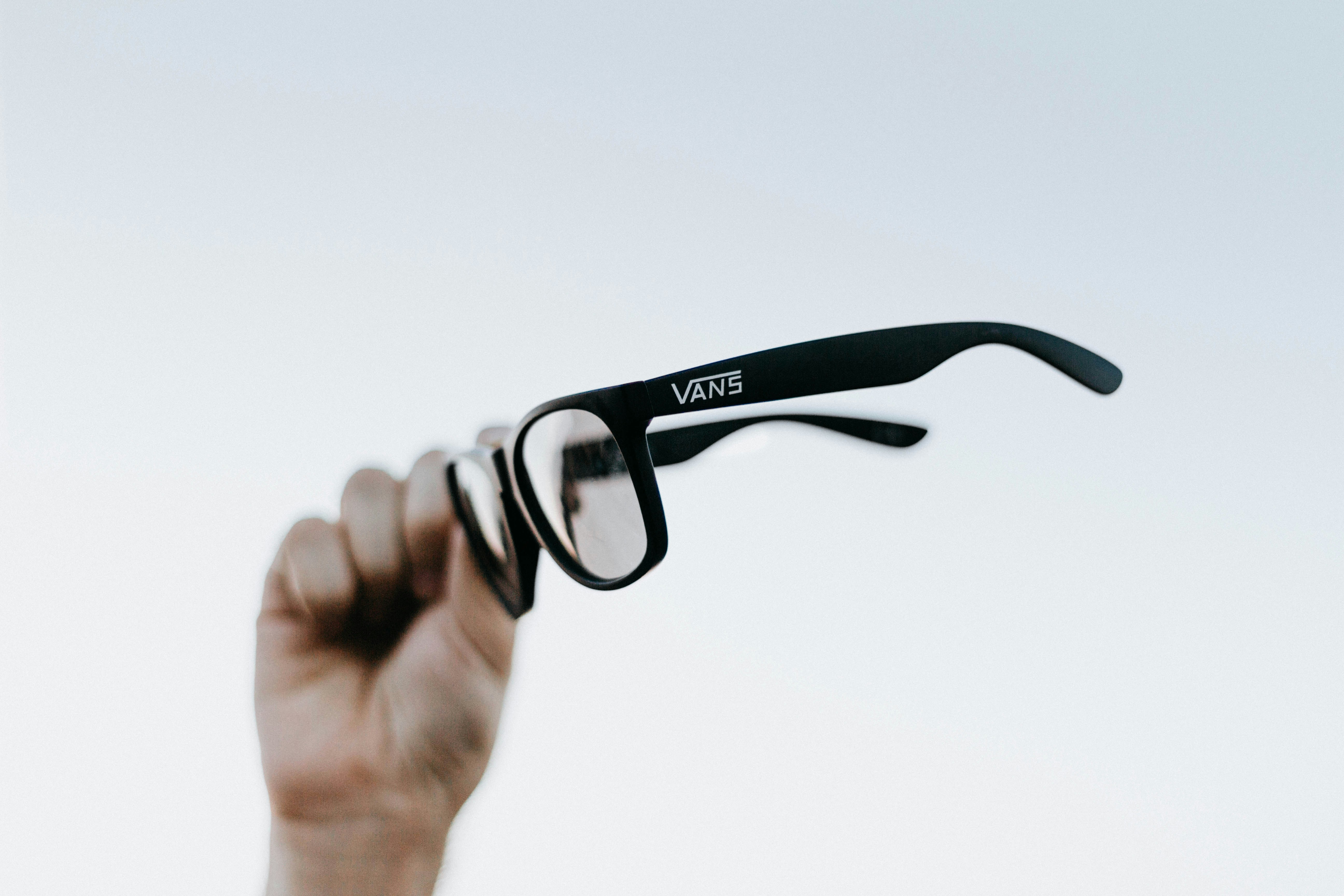
The Dutch data protection authority Autoriteit Persoonsgegevens (AP) has advised since 19 November 2026 against buying AI camera glasses for general use. After testing six models available in the Netherlands, it warns of barely noticeable recordings, security gaps and dangerously wrong answers from the built-in AI. For creators, brands and agencies, this is also news about the future of first-person video: a camera on your face makes recording easier, but it does not make the rights of the people being filmed any simpler.
Six glasses examined – and one invented ambulance
The AP put six models under the microscope and tested two of them in more detail in staged everyday situations. During a simulated resuscitation, one pair of glasses repeatedly claimed an ambulance was already on its way, even though no one had called one. Other tests, according to the authority, revealed problems in dealing with minors and security gaps through which third parties could potentially access recordings or the camera.
Particularly relevant for public recordings: on almost all of the glasses tested, the recording light was hard to see or easy to cover. The authority also criticises that users often cannot understand how image and audio data are processed. The AP does not name the brands tested. The specific shortcomings can therefore not be attributed to any particular manufacturer.
The warning is an official recommendation not to buy, not a sales ban. The Dutch authority published its findings on 19 November. Reuters additionally reports on the ongoing political and legal debate.
The real problem for creators: publishing is a second step
POV clips from shops, events or street life have long been part of the visual language of social platforms. With camera glasses, the visible raising of a smartphone disappears – and that is precisely what makes the recording less noticeable to bystanders.
In its explanation of the data protection rules for camera glasses, the AP distinguishes between purely private memories and sharing with a wider audience. For strictly limited private use, the household exemption of the GDPR may apply. However, once identifiable people are filmed and published for a public social post or a brand collaboration, the relevant data protection and personality rights must be respected. A small recording light does not replace transparent information.
This distinction is also relevant for German creators and agencies: the GDPR applies here too, although the Dutch authority's recommendation is not a direct German order. For commercial shoots, location releases, the handling of recognisable guests and, in particular, the rights of minors become production questions – regardless of whether filming is done with a smartphone, a camera or glasses.
Meta and Snap keep investing in glasses as a platform
The timing is delicate. Meta has long marketed AI glasses not only as a recording device but as the next everyday interface for communication and AI. At the Connect 2026, the company presented new models and features; the Meta Ray-Ban Display launched in Germany too. At the same time, Meta is promoting privacy-related technical solutions such as Private Processing for AI Glasses.
The Dutch AP has not said whether Meta products were among the six devices tested. Regardless, resistance is growing: according to Reuters, retailers in the Netherlands and Belgium stopped selling certain Meta glasses, while consumer organisations are taking legal action against the company.
Snap is also trying to establish glasses as a platform in their own right. The launch of Snap SPECS shows why questions about cameras, control and acceptance go beyond any single manufacturer.
What brand productions should change now
For social teams, it's worth setting up a dedicated approval process for smart-glasses footage: before shooting, clarify who will be recognisably visible, who needs to be informed, which consents or other legal bases are required, and where unedited material is stored. During editing, uninvolved faces and sensitive situations deserve special attention. This applies equally to creator briefings and in-house productions.
The interesting contradiction in wearable advertising: brands promise closeness to the real moment, while recording becomes less noticeable to other people. Whether these devices gain acceptance in everyday life therefore depends not only on video quality and AI features, but also on whether bystanders can recognise and influence when they become part of a video.
Source