Magazine
Digital Fairness Act: EU to overhaul influencer advertising, dark patterns and subscription traps
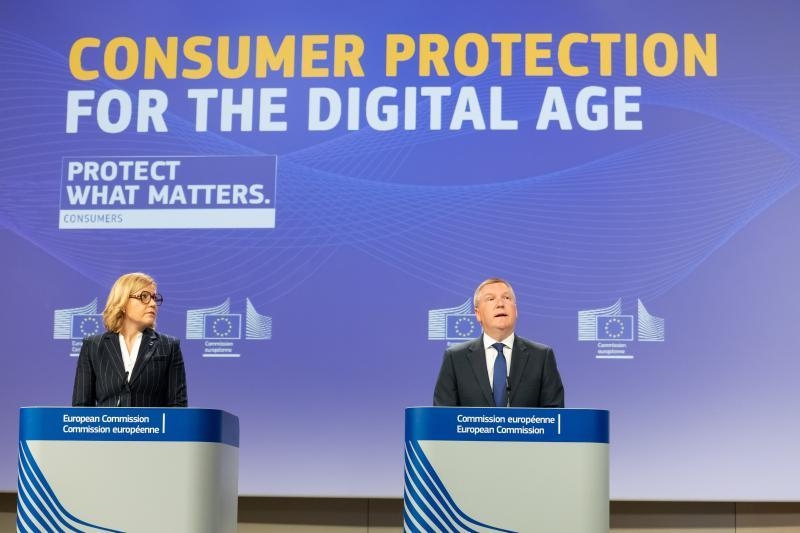
On 11 November, the European Commission presented a far-reaching consumer protection draft. For marketing teams, the focus is on advertising disclosure, artificial scarcity, price transparency and manipulative user guidance.
Contents · 4 sections
The European Commission wants to rewrite the rules of the game for digital marketing. With the Digital Fairness Act (DFA), presented on 11 November 2026, it targets, among other things, opaque influencer advertising, artificial purchase pressure and mechanisms designed to keep people in apps for as long as possible. For brands and agencies, this is a signal: not only what an ad promises, but also how an offer is presented is set to face tighter regulation.
The draft is not yet law. It still has to pass through the European legislative process. However, the direction Brussels is taking can already be read from concrete examples.
When "Only two left" becomes a legal problem
Countdowns, artificial scarcity and seemingly urgent price promotions are classic conversion levers. The proposal explicitly targets manipulative design, so-called dark patterns – such as invented notices that a product is almost sold out. Misleading prices and hidden additional costs are also part of the reform package.
Especially relevant for performance teams: transparency is meant to run through the entire purchase process. In virtual queues for tickets, for example, current prices and a maximum price should be recognisable. The initiative therefore affects not only advertising copy but also landing pages, shops and checkout flows.
Influencer disclosure becomes a platform and brand issue
The Commission wants to make commercial creator content clearer and better protect children from having the trust relationship with influencers exploited to drive purchases. For German campaigns, this mainly means that advertising disclosure must be considered in briefings, approvals and the actual presentation of a post – rather than being a last-minute text correction.
How quickly creator content switches between organic recommendation and paid advertising is shown by our guide to UGC, usage rights and disclosure. For reviewing ongoing campaigns, the TikTok ad library for the EU also offers a concrete starting point.
Usage time also becomes part of consumer protection
The DFA provides for possibilities to switch off certain addiction-like design mechanisms that encourage excessive or compulsive use. According to Commission material, these include persistent prompts; the debate extends to endless scrolling and automatically starting videos. At the same time, unfair personalised advertising and prices directed at minors are to be restricted.
This shifts the focus from individual ads to the overall product experience. Anyone who optimises social reach solely for the longest possible sessions will in future need to distinguish more carefully between useful use and manipulative retention. A similar conflict already shapes the lawsuits against California's regulation of addictive feeds.
Subscriptions, free trials and service are also addressed
The planned rules are meant to make subscription cancellations easier, limit unwanted automatic renewals and prevent free trial periods from quietly turning into paid ones. Access to a reachable human contact in customer service is also among the topics.
For marketing managers, the practical takeaway is worth acting on even before the law is adopted: check scarcity claims against stock levels, review creator disclosure before publishing, and go through trial-subscription and checkout copy together with product and legal teams. These steps build trust regardless of what the final legal text looks like.
The Commission puts the possible annual savings for consumers in the EU at up to 13,7 billion euros. The proposal is now under political negotiation, and individual measures may still change.
Sources: European Commission: Digital Fairness Act and legislative documents, European Commission: Consumer protection online (11 November), The Verge: Analysis of the proposals.
Source