Magazine
Google Search Gets Gemini 4 Hydrogen: More Sources and New Opportunities for Brands
Google is rolling out Gemini 4 Hydrogen in Search worldwide. The AI breaks complex questions into parallel sub-queries and links answers to more websites. What this means for content and GEO.
Contents · 4 sections
On November 12, 2026 Google brought Gemini 4 Hydrogen into Search worldwide. Users can now ask significantly more complex questions, combine several conditions in one sentence, and get answers with comparison tables, images and further links. For publishers and brands, the decisive change lies in the research technique behind it: Google is expanding its Query Fan-out and searches for more sub-aspects of a question in parallel.
This doesn't only affect classic SEO teams. Anyone marketing products, services or guides via social media needs to know which information the AI actually finds when it makes the subsequent product selection.
One Search Query Becomes Multiple Research Paths
A user asks, for example: "Which camera is suitable for product reels in low light, can be operated with an iPhone, and costs less than 800 euros?" Previously, they often had to link several searches themselves for price, smartphone compatibility and low-light performance. The new search is meant to understand such requirements together, run matching sub-queries and combine the results into one organised answer.
Google describes three concrete improvements: the AI better understands nested or imprecisely worded intentions, connects information from a broader range of relevant websites, and displays comparison tables and other visual elements. According to Google, the improvements apply worldwide in the languages supported by AI Mode. Hydrogen is also the new default model for AI search mode.
Why Specific Answers Are Becoming More Valuable
For content managers, this creates an interesting change of perspective. Anyone who only explains a general product category competes with an AI answer that already combines various basic pieces of information. Anyone who instead provides concrete answers to purchase criteria can become one of the sources for this differentiated research.
For a camera provider, that could mean a clear table with sensor, image stabilisation, price, smartphone connectivity and low-light performance. For an agency, it could mean traceable case studies with budget, channel, timeframe and result. Such details are easier to compare for both human readers and AI systems than vague promises about "the best solution".
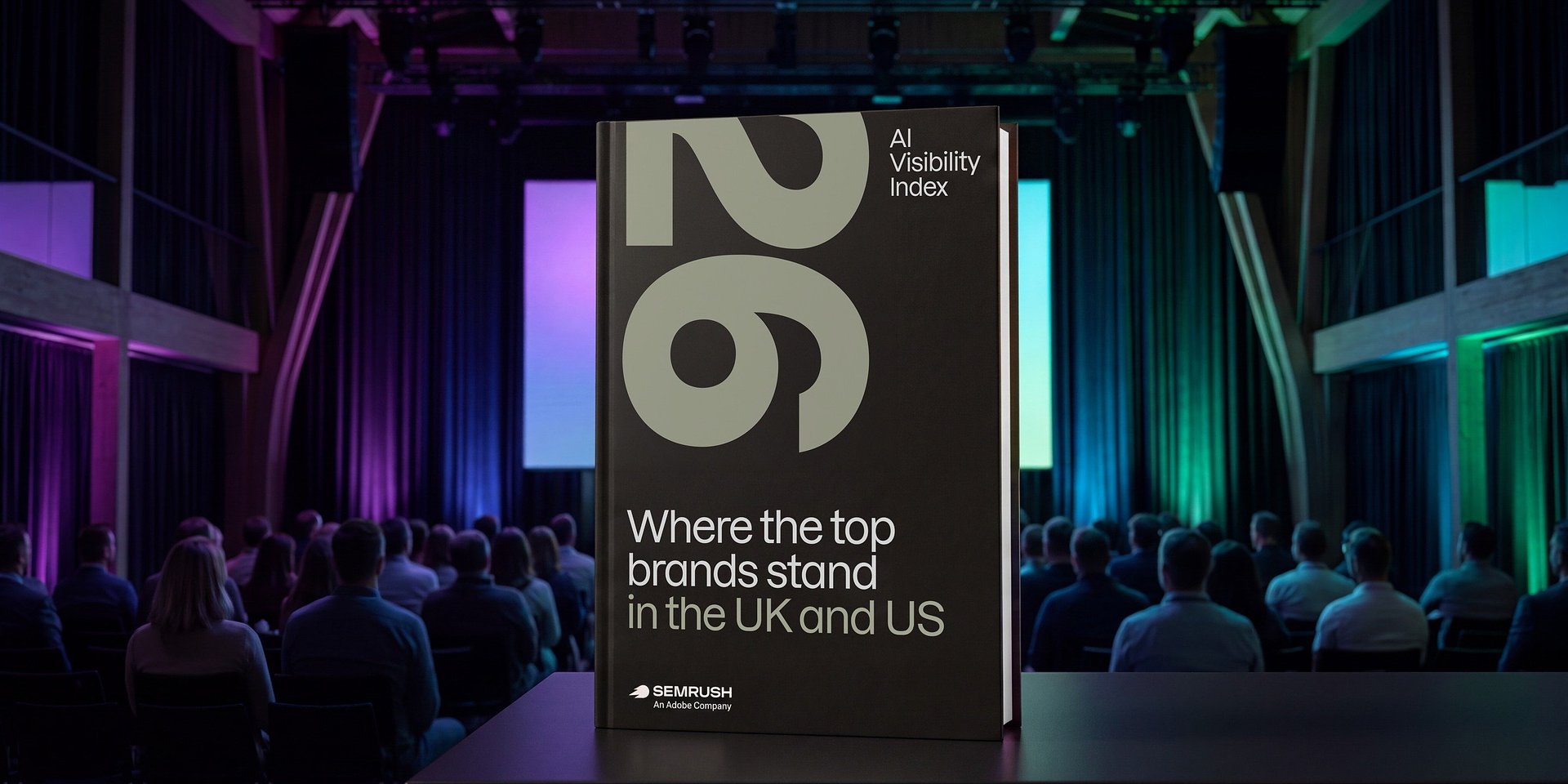
This also includes clean updating: an outdated price or a model that is no longer offered makes the information less useful for the current purchase decision. How much brand visibility can vary depending on the search query and location is already shown by the findings on local AI visibility from Semrush.
More Source Links Change How Success Is Measured
Google explicitly promises broader linking to relevant pages. For marketing teams, it therefore makes sense to track two things separately: Is the brand mentioned in AI answers? And does the company's own website actually receive visits and enquiries from such research paths?
Monitoring can start with a manageable selection of real customer questions – from early orientation to the concrete purchase decision. For each query, visible brands, cited sources, own pages and changes over time can be documented. A single snapshot should not be confused with a stable ranking.
The measurement problem is already known: the article on Google's AI Overviews and the missing separate click data shows why classic Search Console does not capture every new AI search journey individually.
Organic search and advertising move closer together
Hydrogen does not launch in an ad-free vacuum. Google had previously expanded ad monetisation in AI Mode in ten markets. For businesses, two developments are running side by side: AI delivers a more condensed product selection, while Google is developing new ad placements for this usage situation. The background is covered in our analysis of AI Mode advertising and Google's search business.
If you are reviewing your content now, start with the questions customers actually ask. Are there concrete comparisons, clear prices, verifiable performance data and solid answers to typical objections? That is exactly where it is decided whether a website becomes a relevant source for AI-assisted purchase decisions beyond mere brand awareness.
Sources: Google Search: Gemini 4 Hydrogen, 12. November 2026 · Google DeepMind: Introducing Gemini 4 Hydrogen, 12. November 2026 · Search Engine Journal: Hydrogen as the default model in AI Mode.
Source