Magazine
Mars optimises for AI shopping agents – and wants to save impulse buying
Mars is preparing its snack brands for AI-driven shopping lists. New brand work is meant to secure spontaneous discovery on social media and in retail at the same time.
Contents · 3 sections
Mars is preparing for a shopping process in which AI agents assemble part of the basket. The manufacturer behind brands such as M&M’s and Snickers is working, according to an interview with Digiday, to ensure its products stay visible even when consumers search for groceries via an AI assistant or reorder them regularly.
The big marketing question behind this: what happens to impulse buying when an algorithm already knows what should be on the shopping list?
Two types of shopping need two types of marketing
In its "The Future of Shopping" study, published in October, Mars distinguishes between automated replenishment and inspiring product discovery. Standard items may in future be conveniently reordered via digital assistants. Chocolate, confectionery and new flavours, however, depend especially on people discovering something unexpectedly.
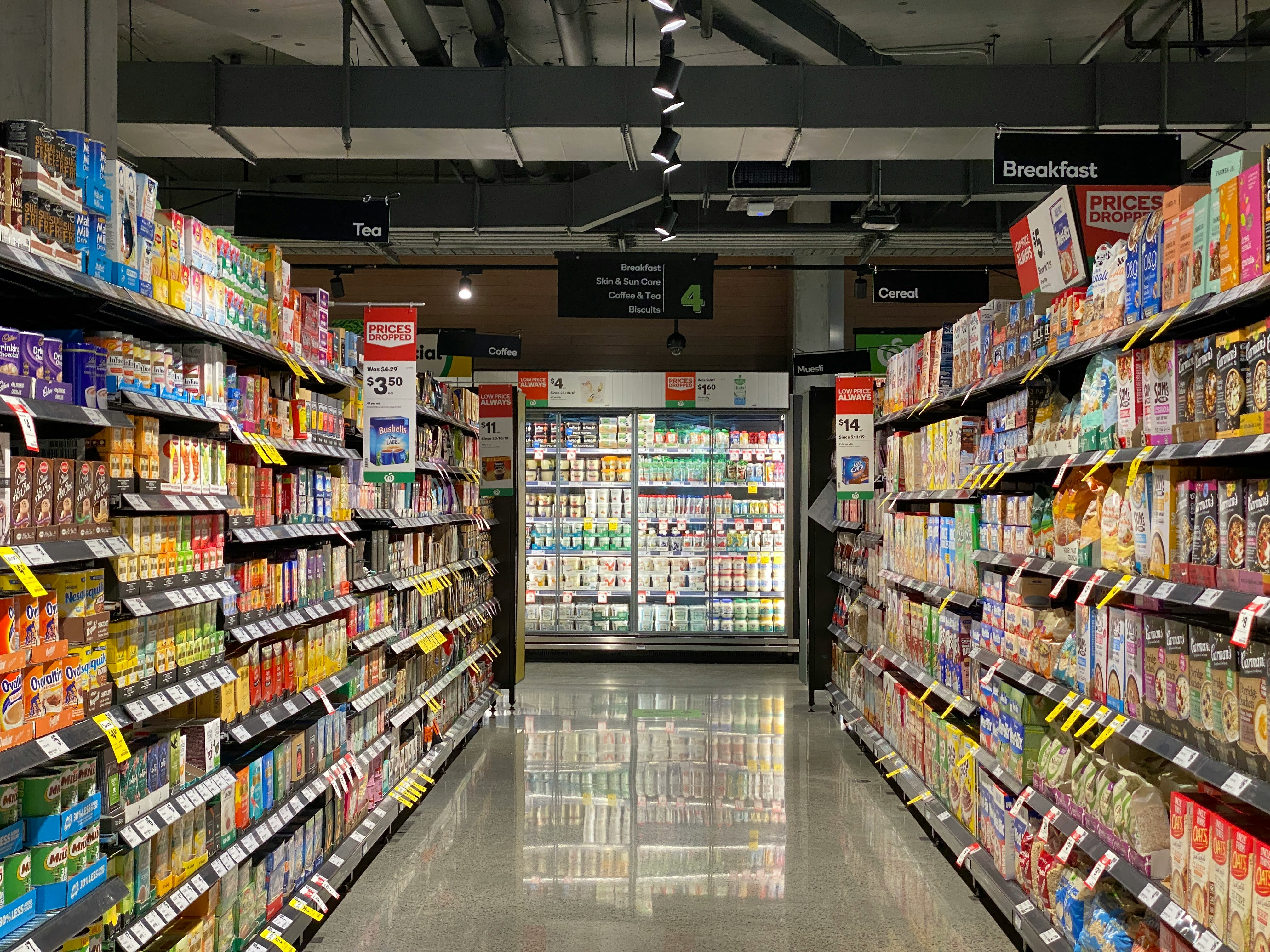
This doesn't have to happen at the supermarket shelf. A video, a creator livestream or an interactive brand experience can trigger the same curiosity. Mars is therefore thinking not only about AI answers, but also about social commerce and experiences at the physical point of sale.
Visibility in AI answers becomes the new shelf space
In conversation with Digiday, marketing manager Neil Reynolds describes how Mars wants to improve the discoverability of its brands in large language models and track the corresponding mentions. To do this, the company is more closely linking its marketing and commerce work across teams; its collaboration with Publicis also plays a role.
The new task resembles classic work on shelf placement and search engine optimisation, but starts from a different point: an assistant summarises product options instead of simply showing a results list with ads and links. Brands therefore need to understand which information appears in answers – and which purchase decisions follow from them.
Our article on the new IAB blueprint for AI attribution shows how difficult measuring such contacts is already becoming for advertisers. In parallel, the ChatGPT Business Hub is creating an approach through which companies can monitor how visible their brand is.
What German FMCG brands can test now
The Mars study describes a future path, not an already widespread shift of grocery shopping to AI agents. In practice, however, two hypotheses can already be tested today: Which products are found in AI-supported research? And which creatives manage to trigger additional demand outside a planned basket?
The second part is already tangible on TikTok Shop: there, a video often decides on a purchase that was on no shopping list beforehand. Mars is trying to stay present in both worlds.
Sources: Digiday, 11. November 2026: Interview with Mars · Mars, 6. October 2026: official study "The Future of Shopping"
Source