Magazine
ChatGPT Wallet lets AI agents pay: shops must let bots through to checkout
OpenAI is launching ChatGPT Wallet with Visa, Mastercard and Amex – initially for US Pro users. The real hurdle for merchants is firewalls, product data and fraud checks.
Contents · 3 sections
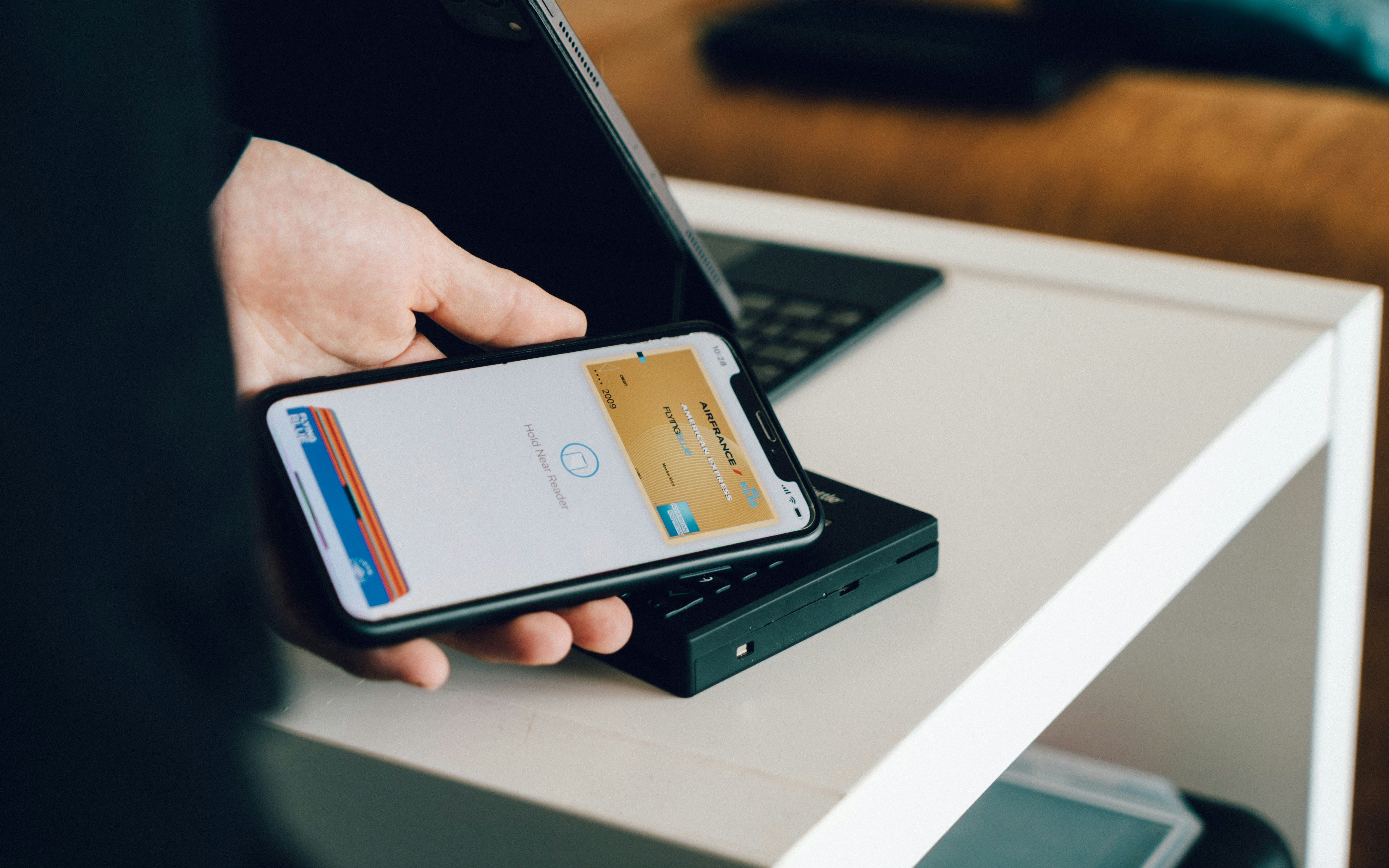
OpenAI introduced ChatGPT Wallet on 13 November 2026. It allows the company's personal "dots" agents to complete an online purchase on a user's behalf. The card is saved once; before every purchase the human reviews the cart and total and confirms payment with a security check such as Face ID or a fingerprint. At launch the feature is limited to adult ChatGPT Pro subscribers in the USA with eligible US cards.
For merchants, the real change isn't just the digital wallet. The next purchase request may come from an AI agent that compares products, visits the shop and pays at the till. That turns being found by AI into the far more concrete question: Can my shop actually serve this customer?
The card stays secret, the customer relationship stays with the shop
OpenAI built ChatGPT Wallet with American Express, Mastercard and Visa. The user saves their card and authorises each purchase. The payment network then provides a token with substitute card details. Neither the agent nor the merchant receives the real card number.
Crucial to the business model: buyer and seller still conclude the transaction directly with each other. Prices, shipping, returns and customer service remain with the shop. Usual card benefits and protection mechanisms for legitimate disputes are meant to be preserved too. Going forward, OpenAI wants to allow purchases within preset budgets or categories; at launch, however, approval is required for every transaction.
That sets the wallet apart from a plain product recommendation: the agent doesn't just assist with selection, it can complete the order. The path to a buying decision is already shifting, as the development of ChatGPT brand profiles and Business Agents shows.
Why a working checkout isn't automatically agent-ready
An automated buyer runs into obstacles on the web that often stay invisible to humans: bot protection, aggressive CAPTCHA rules or fraud filters that flag an agent as a suspicious visitor. OpenAI is therefore publishing a Commerce Partner Playbook at the same time.
Shops face three concrete tasks. Product data: availability, price and variants must be findable and up to date; verified business profiles and product feeds can help here. Access: CDNs and firewalls should be able to recognise legitimate, signed agent requests – OpenAI names Web Bot Auth for this. Payment: payment and risk providers must process tokenised, user-approved agent payments instead of rejecting them across the board.
On the payment side OpenAI names, among others, Adyen, Checkout.com and Stripe, as well as the fraud-prevention providers Forter, Riskified, Sardine and Signifyd. According to the company, a new checkout is not fundamentally necessary: the tokens are meant to work with existing payment flows. A shop also doesn't necessarily need a plugin or a product feed for an agent to open its website in the browser.
From marketing funnel to agent funnel
For social commerce teams this shifts the final step. Creators, social ads and search results can still generate attention and demand. But between interest and purchase, an assistant that selects products against specific criteria and executes orders increasingly stands in the way.
The consequence: a good ad creative isn't enough if the agent then hits outdated stock data or a blocked checkout. This very tension between purchase impulse and AI pre-selection can also be observed in the example of Mars and AI shopping agents. For measuring success, it becomes relevant whether the path from social contact via the agent to the transaction is captured at all; the IAB concept for AI attribution fits here.
There is no announced launch date for German merchants yet. The US pilot does, however, set a concrete technical benchmark: product information must be machine-readable and current, legitimate agents must not fail at the door, and the checkout must be able to verify its purchases correctly.
Sources: OpenAI: Introducing ChatGPT Wallet, 13. November 2026 · OpenAI: Commerce Partner Playbook · Reuters: Launch of ChatGPT Wallet, 13. November 2026 · TechCrunch: Agent checkout and shop requirements, 13. November 2026.
Source