Magazine
Guinness Lets the Community Lead: Why the Brand Uses Creators Selectively
Guinness isn't chasing as many paid creators as possible. Instead it relies on rituals, organic posts and hand-picked collaborations. For German brands, that adds up to a concrete community strategy.
Contents · 3 sections
When it comes to creator marketing, Guinness deliberately works with a smaller, carefully selected number of collaborations rather than aiming for maximum presence in every social trend. That's what global marketing manager and sports lead Paddy Carberry explained in an interview that Digiday reported on 13 November 2026. Behind the strategy sits a question that reaches well beyond beer advertising: Which stories belong to the brand, and which are better left to its community?
Users invent the format, Guinness amplifies it
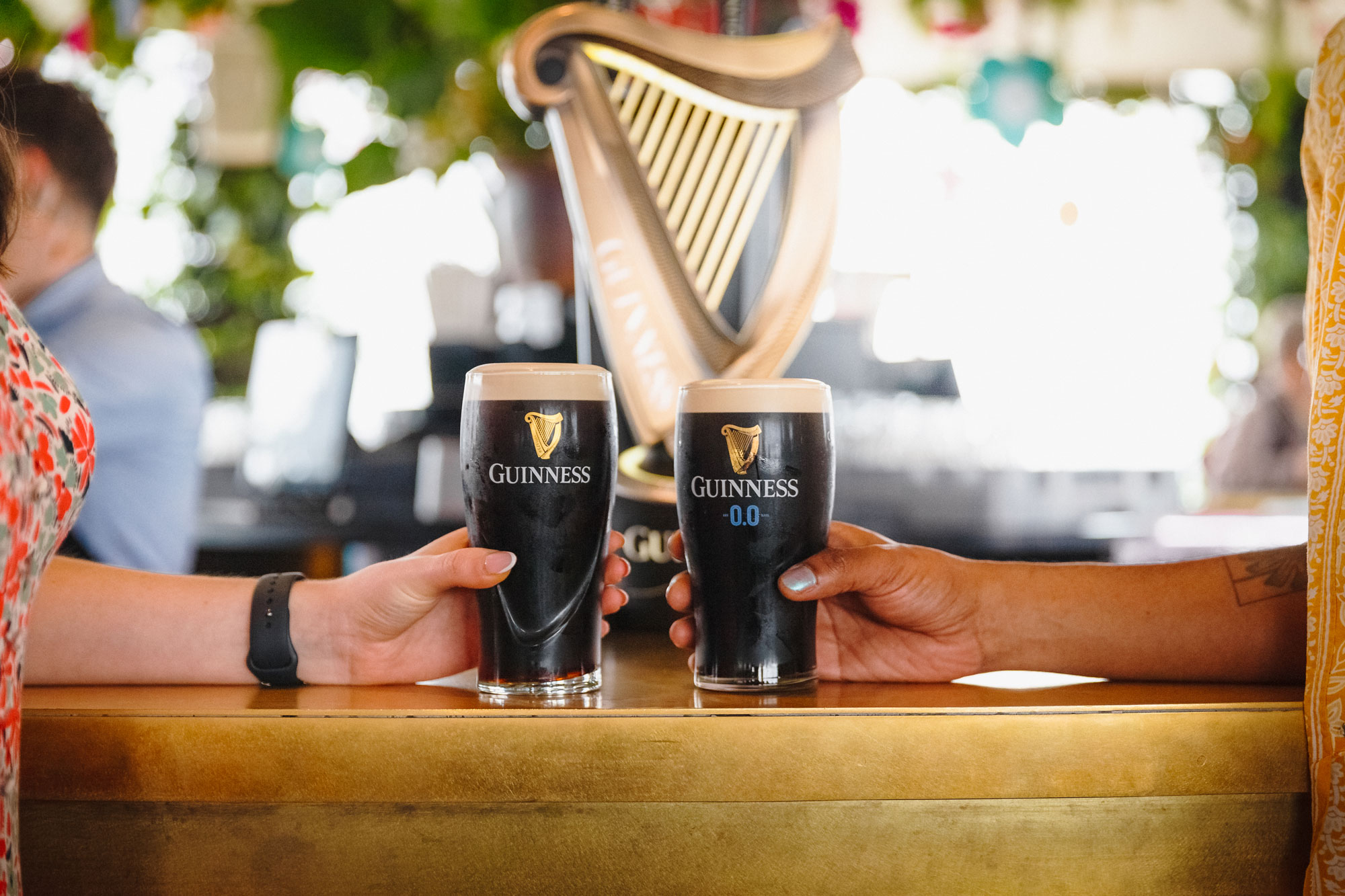
An example has existed for years: with "Singing Pints", people turn the foam head of their Guinness into a singing face. From this social media ritual, the "Singing Pints" ad for Guinness 2023 was created, as the brand 0.0, documents on its official website .
That meant the path looked different from a typical creator campaign. The recognisable behaviour came first from the community, and the brand's staging followed. Even with so-called pint ratings, where users judge the quality of poured Guinness glasses, the focus isn't an advertising script but a habit built around the product.
Carberry describes this to Digiday as a deliberate approach to social trends: Guinness only wants to step in where it fits the brand. The interesting point is the selection, not a blanket rejection of influencers.
Brand and community don't have to tell the same story
Diageo continues to work with big sports partnerships and specially produced campaigns. In a company overview of sports marketing, the group describes, among other things, its work around the Premier League and rugby. At the same time, its own Guinness stories take shape in pubs and on social media without any campaign brief.
For marketing teams, this suggests a practical order: first observe which product details or rituals people share voluntarily. Then check whether a repeatable format emerges from them. Only after that decide whether creator fees, paid media or a larger production will actually strengthen the moment.
This fits with our article on creator events and community measurement. The figures in the Creator Marketing Index 2026 offer a counterpoint: paid posts can deliberately generate reach, while organic rituals serve a different purpose, showing what a brand stands for in everyday life.
For German alcohol brands, clear rules apply
Guinness faces one more factor: alcohol advertising is especially sensitive when choosing creators. The German Advertising Standards Council revised its code of conduct on 1 January 2026, and it also covers commercial social media collaborations. Manufacturers must inform commissioned influencers about the rules and use the youth-protection features of platforms. Our article on Courvoisier's social campaign also shows more of the German context.
The biggest lesson from the Guinness example is therefore not "fewer creators at any cost." It is this: a recognisable community culture gives a brand better occasions for creator collaborations than chasing every viral sound.
Sources: Digiday, 13 November 2026; Guinness – Positive Drinking and "Singing Pints"; German Advertising Standards Council – Code of Conduct.
Source