Magazine
Nike gives local teams and creators more power over marketing and product
With “Full Stride Ahead”, Nike is shifting budget and decision-making into the markets. The Studio Fleece launch, involving more than 100 participants, is meant to show what that looks like.
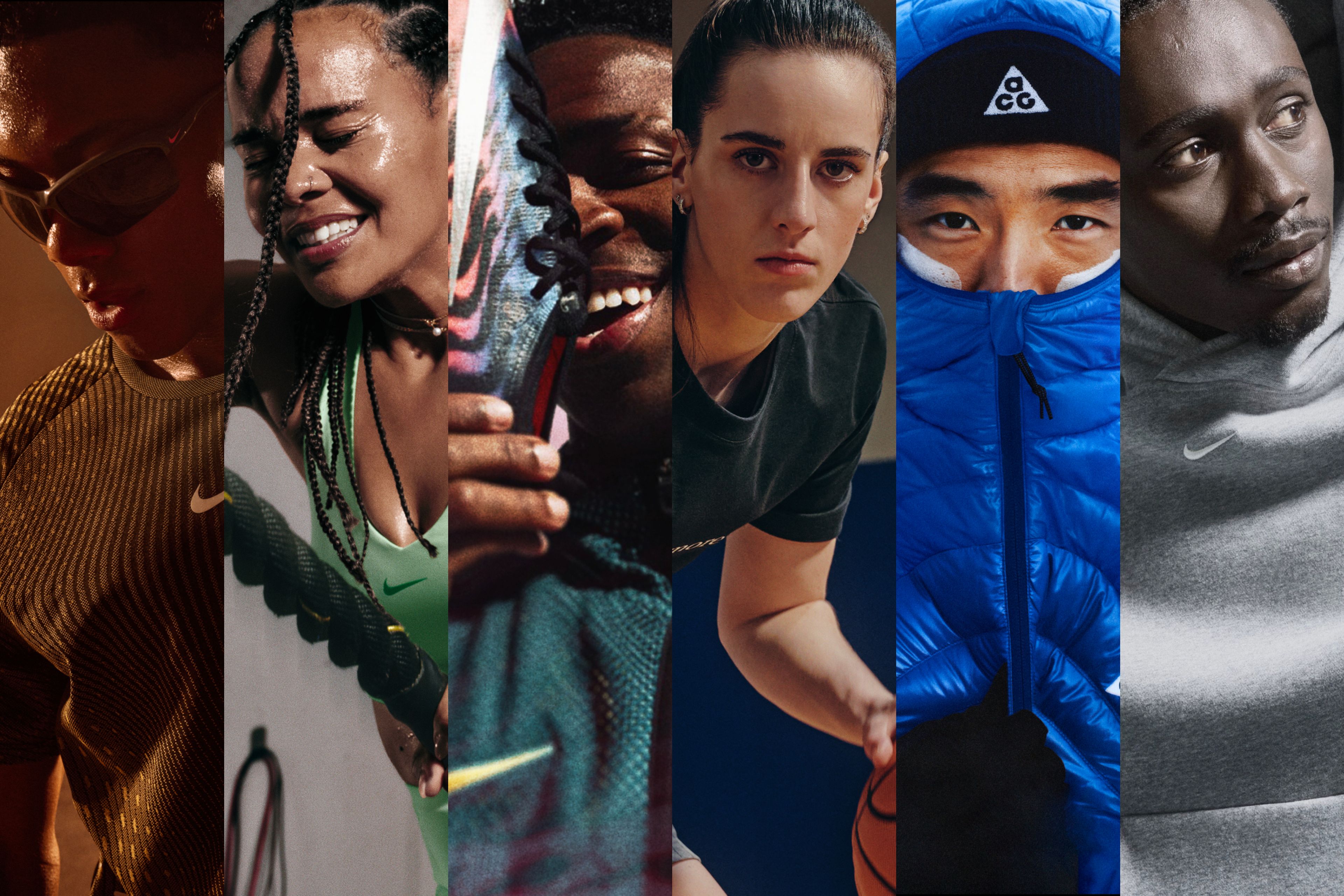
Nike is moving marketing decisions into individual markets and giving athletes, creators and local scenes more influence over product stories, campaigns and customer experiences. The company unveiled the “Full Stride Ahead” strategy at the Investor Day on 17 November 2026.
Brand president Amy Montagne announced, according to Digiday, that marketing spend will be directed more strongly towards grassroots connections, local creators and culturally relevant voices. Global star campaigns will remain. Regional teams will also decide which stories, product offers and experiences suit their market.
The pillar responsible for this is called “Connected”: local athlete relationships, tailored range planning, and experiences both online and in stores. The other two pillars are “Epic” (innovation, products, storytelling) and “Fast” (faster processes).
The Studio Fleece launch provides the evidence. According to the company presentation, more than 100 athletes, artists, creators and stylists were involved. Product seeding, creative co-design and Nike By You offers worked together, and the collection reached more than 6.000 points of sale. According to the company, it was the largest new apparel launch to date and the fleece launch with the highest share of full-price sales. It is the logic we described in our analysis of paid media versus sponsored posts: brands pay creators for ideas and community closeness, not just for reach.
Before the Investor Day, Nike surveyed athletes, retailers and creative professionals in more than ten markets, according to Digiday. The differences between metropolises and even neighbouring cities were a key reason for the regionalisation. In China, the company admitted it had previously been too centrally managed.
Nike is focusing its growth on five sport segments (running, training, football, basketball, outdoor) plus sportswear, along with 23 focus countries. These are meant to deliver over 90 percent of the expected revenue growth through 2031. Nike is aiming for roughly five billion dollars in additional annual revenue in fiscal year 2031, compared with fiscal year 2027.
Source