Magazine
Snapdragon turns F1 world champion Antonelli into a creator: how sponsorship works independently of TV
Snapdragon is launching a social-first campaign with Formula 1 world champion Kimi Antonelli. Why Apple TV rights, creator remixes and community reach are becoming decisive for sports sponsorship.
Contents · 4 sections
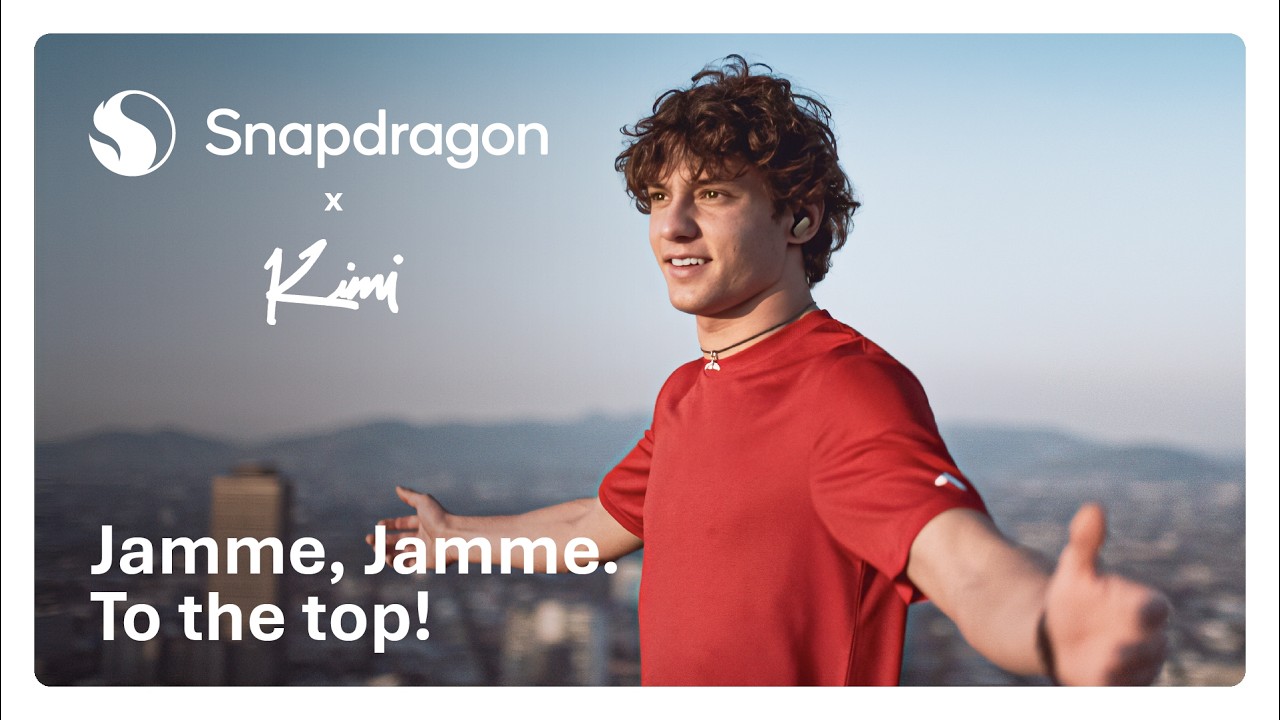
Snapdragon is making the youngest Formula 1 world champion the face of a creator campaign – and using him as more than just an advertising space. On 17 November 2026, the Qualcomm brand released a 60-second film featuring Mercedes driver Kimi Antonelli. Under the motto “Jamme Jamme. To the top!”, the story of the 20-year-old is meant to live on through videos, creator posts and remixes. The premiere is timed for the Las Vegas Grand Prix on 21 November.
What's interesting about the campaign is the link between sports rights and standalone social content: Qualcomm sells its chip technology to device makers, but wants the Snapdragon name to be recognised by end customers too. That requires stories and personalities that people willingly watch and share.
A world champion, a song, and devices that become part of the story
The official campaign film follows Antonelli through a day at a hotel: he trains, wears smart glasses and uses a tablet – each a device with Snapdragon technology. The music draws on the Neapolitan folk song “Funiculì, Funiculà”. The sporting rise thus becomes a short, easily recognisable clip with its own motto.
The campaign is also being spread jointly through Snapdragon's and Antonelli's social channels[](https://www.instagram.com/snapdragonofficial/). According to Qualcomm marketing chief Don McGuire, additional creator activations and remix formats are planned. Media distribution includes digital platforms such as YouTube, partnerships with Sports Illustrated and international F1 broadcasts on Sky. <https://www.marketingdive.com/news/why-qualcomm-teamed-with-f1s-new-star-in-race-for-sports-marketing-roi/874895/>
Antonelli is not just any sports star. On 1 November in Mexico he was crowned the youngest Formula 1 driver world champion in history; Mercedes confirmed the title in its own statement. Qualcomm had already built the partnership with the driver before he won the title. The brand can therefore tell a story of success now, rather than having to book a paid congratulatory ad only after the triumph.
As TV rights narrow, sponsorship has to build its own reach
The media mix has a concrete reason: Apple TV has held the exclusive US broadcast rights to Formula 1 since the 2026 season. The official Apple agreement runs for five years and covers races, qualifying and practice. For Qualcomm, classic race-environment advertising on US television is therefore no longer the same lever as with freely bundled sports broadcasts.
The answer: the athlete himself becomes a standalone distribution channel. Advertising can run through his profile, the brand's channels, creators and digital media partners – regardless of where the race is broadcast. Srocket already covered the bigger issue of shifting F1 media rights and audience measurement in the article on Formula 1 on Apple TV and sponsor reach.
The target audience is attractive: according to the F1 Global Fan Survey 2025 cited by Apple, 47 percent of new US Formula 1 fans were between 18 and 24 years old. A sports partnership can therefore reach a younger, digitally active audience. Whether that turns into purchase interest depends largely on what happens after the first contact.
Qualcomm has already tested the difference between visibility and brand loyalty
A look at Manchester United explains why Snapdragon relies so heavily on its own activations. Qualcomm put its brand 2024 on the football club's shirts. In the official August review2024, the company reported more than two billion digital impressions from the shirt launch. The Snapdragon Insiders community is said to have grown by 256 percent in the launch month compared with an average month, to more than 16 million.
These were company figures for one concrete activation, not publicly verified sales revenue. But they show the pattern: logo presence creates attention; digital content, community and interaction are meant to extend the connection to the brand.
Other F1 sponsors are working on comparable bridges. SharkNinja and McLaren are explicitly building out their partnership as a multi-year social media strategy. With Liquid I.V. and McLaren, the sponsorship was translated directly into a product campaign. Snapchat or Instagram reach alone is not the actual product for any of these brands.
Two campaigns around the same world champion – with different purposes
Mercedes-Benz also backed Antonelli after the title win. The campaign "Better keeps us going"](https://media.mercedes-benz.com/article/19e0e661-02c5-4831-bd97-7fe9056a59a4), launched on the [ 2 November, ties the triumph to new Mercedes models, a dedicated TV film and digital creatives adapted for international markets.
That is exactly where the difference lies: Mercedes sells vehicles; Snapdragon wants to become the brand behind the devices. That is why the Snapdragon visuals show not only the racing driver but also smart glasses and a tablet as natural parts of his everyday life. It is sponsorship as product storytelling – ideally carried forward by the target audience themselves.
For German marketing teams, the lesson is less about signing a world champion and more about building your own reusable content rights: anyone closing a sports or creator sponsorship should think early about distribution on their own channels, the talent's participation, short vertical formats and measurable community contact. The same shift is changing the sports advertising market beyond Formula 1 as well, for example with the NBA between streaming and social creators.
Sources: Snapdragon campaign film on YouTube · Marketing Dive, 17.11.2026 · Mercedes-Benz, 02.11.2026 · Apple, 17.10.2025 · Qualcomm, 15.08.2024
Image: official Snapdragon video still; Qualcomm / Snapdragon.
Source