Magazine
Perfectly Imperfect builds creator agency: the social app stays ad-free
Perfectly Imperfect bundles brand deals into a full-service agency. The social magazine says on its website that it has over 500.000 members and wants to generate around two million dollars 2026.
Contents · 3 sections
Perfectly Imperfect is turning its past brand collaborations into a standalone agency business. The New York social magazine is launching a full-service creative agency under the name Perfectly Imperfect Agency. The five-person company is aiming for two million dollars in revenue by 2026; by 2027, according to its plans, it should reach five million. Notably, the associated social app PI.FYI continues to forgo traditional advertising in the feed.
Adweek reported on the agency plans on 16 November 2026, citing founder Tyler Bainbridge. Brand collaborations with Etsy, A24 and Hinge had already been part of the business for some time. What's new is the formal bundling as a full-service agency. In the own team profile from May, Perfectly Imperfect had already described itself as a creative agency.
A community as the starting point – not as ad inventory
PI.FYI relies on personal recommendations about music, films, books or places. Users can design their profiles, enter thematic "Scenes" and take part in community events. The official platform website currently lists more than 500.000 members, over a million recommendations and more than 50 events of its own. The newsletter and interviews with artists such as Charli XCX, Lorde or Francis Ford Coppola provide the editorial core.
The business model separates two surfaces: no feed ads inside the social product itself, and outside of it paid memberships, sponsored editorial formats, events and, in future, agency services for brands. According to Adweek, brand partnerships are expected to make up around 90 percent of planned revenue in 2027. This is the company's forecast, not revenue already earned.
For marketing teams, this is a different way of buying creator reach. Here the product isn't as many video impressions as possible, but a recognisable cultural signature and access to the people who follow it.
How Instagram collaborations became a platform of their own
The shift began long before the agency was founded. Bainbridge and Alex Cushing started 2020 with a newsletter on Substack. In his own look back on five years in business, the founder describes that it took almost a year to reach the first 1.000 subscribers. Later, guest posts and collaborations became the growth engine.
Instagram was especially important: in the detailed founder interview with Creator Spotlight from 31 March, Bainbridge explains how the featured guests spread the posts themselves. In March he already spoke there of around 400.000 people on the company's own platform. The editorial format thus worked as a distributor – the actual community grew on a self-operated product.
2024 left Substack and built the newsletter infrastructure itself. According to Adweek, the team is now also working on a newsletter platform for other publishers and a dating app. Both products are plans, not services already launched publicly.
What German creators and publishers can take from this
Perfectly Imperfect shows an unusual path from reach to revenue: first a recognisable format emerges. From it grow personal relationships, a platform of its own and eventually services for other brands. Whoever controls the community relationship can build several products on the same basis.
The approach differs, for example, from Morning Brew's acquisition of the creator media brand Express Checkout: there a publisher buys a working format and adds distribution and marketing. Perfectly Imperfect is building this infrastructure out of its own community. The Beehiiv examples of independent news creators, in turn, show how paying members can create a second revenue stream alongside reach.
For brands, creative fit matters more than a general audience description. A community that explicitly values human recommendations and taste will spot blunt product placements more quickly. That is exactly why it is interesting to see how Perfectly Imperfect makes the leap from its own format to an agency – and how it plans to organize transparency around creator deals and agency fees going forward.
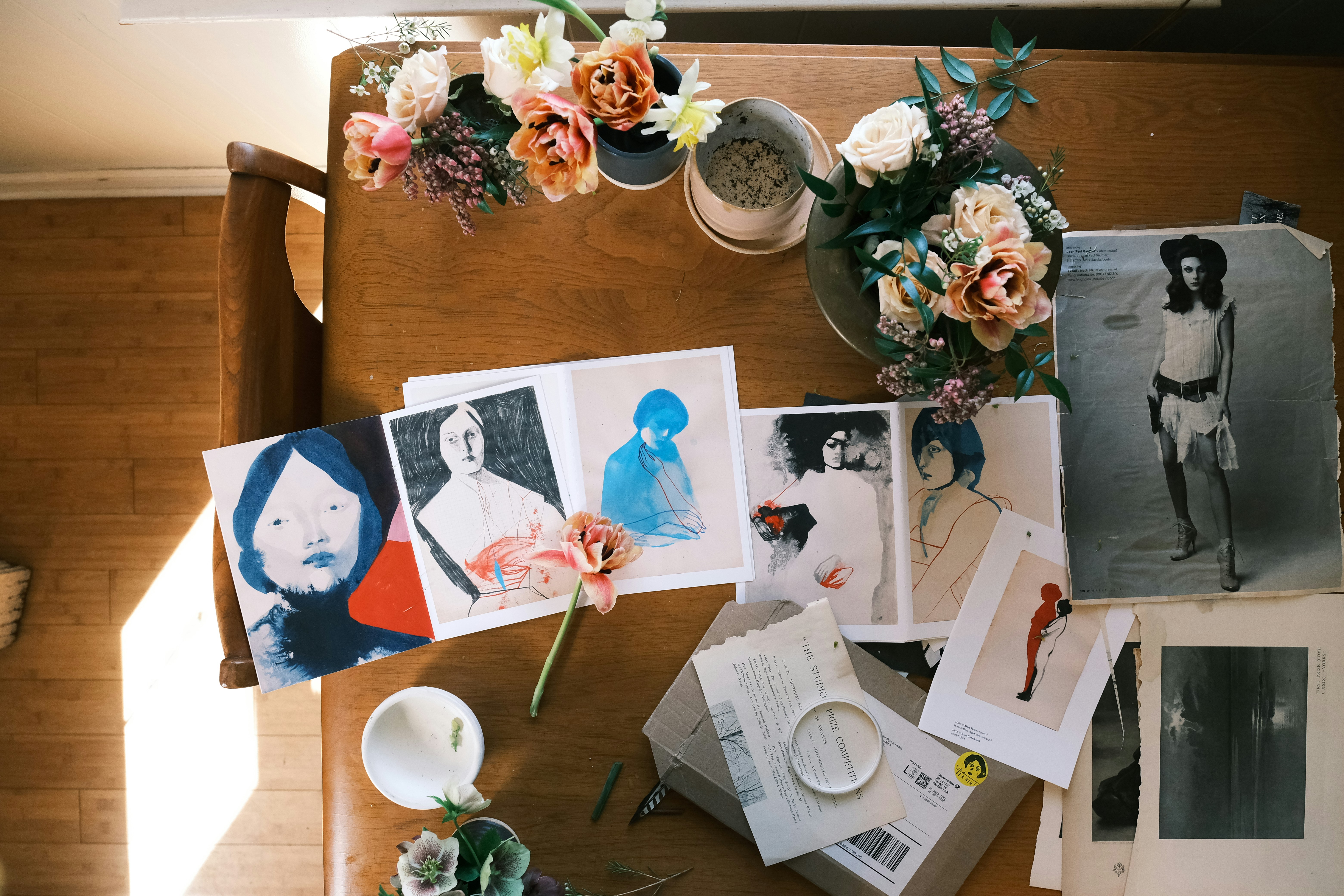
Sources: Adweek (16.11.2026), PI.FYI – official platform data, founder retrospective, creator spotlight interview. The cover image is a licensed stock photo by Taylor Heery/Unsplash, since official PI.FYI product images were blocked at the time of retrieval.
Source