Magazine
YouTube archive becomes a streaming business: 35.000 creator episodes on Tubi
Creators are monetising old YouTube videos again via Tubi, Spotify and Facebook. Tubi now carries more than 35.000 creator episodes – for brands, usage rights are becoming more important.
Contents · 3 sections
For creators, the video archive is becoming a second source of income. Rather than leaving older YouTube episodes sitting on the channel, existing productions are bundled into seasons and marketed on streaming services, podcast platforms and other video networks. How big this market already is can be seen from Tubi: according to a company announcement from 27 October 2026, the US streaming service offers more than 35.000 episodes from over 700 creators.
That is a different logic from the classic YouTube upload. The production has long since been paid for, yet through repackaging the material can become a new programme for a different audience.
From video folder to broadcast-ready season
In so-called content syndication, creators hand certain exploitation rights to a distributor or platform. The existing episodes are compiled, re-cut and adapted technically and editorially for other surfaces. Typical work ranges from removing earlier sponsor integrations, through new covers and chapters, to an order that works like a season.
This requires more work than embedding a YouTube link on a second service. YouTube-specific subscribe prompts, third-party music licences, graphic overlays and old brand placements often have to be checked again. Additional advertising or licensing revenue is the prospect.
A vivid individual case from Digiday's research of 18 November: an unnamed true-crime creator is reported to have received 154.000 US dollars in September via Spotify, Tubi and Facebook – more than 1,8 times his YouTube Partner Programme earnings for that month. The figure comes from the marketing agency Motion Society and is not a general creator average.
Motion Society says it works with more than 650 creators and rights holders and delivers more than 30.000 videos per month to over 20 platforms. This shows the infrastructure emerging behind the business model.
Tubi buys not just clips, but programming
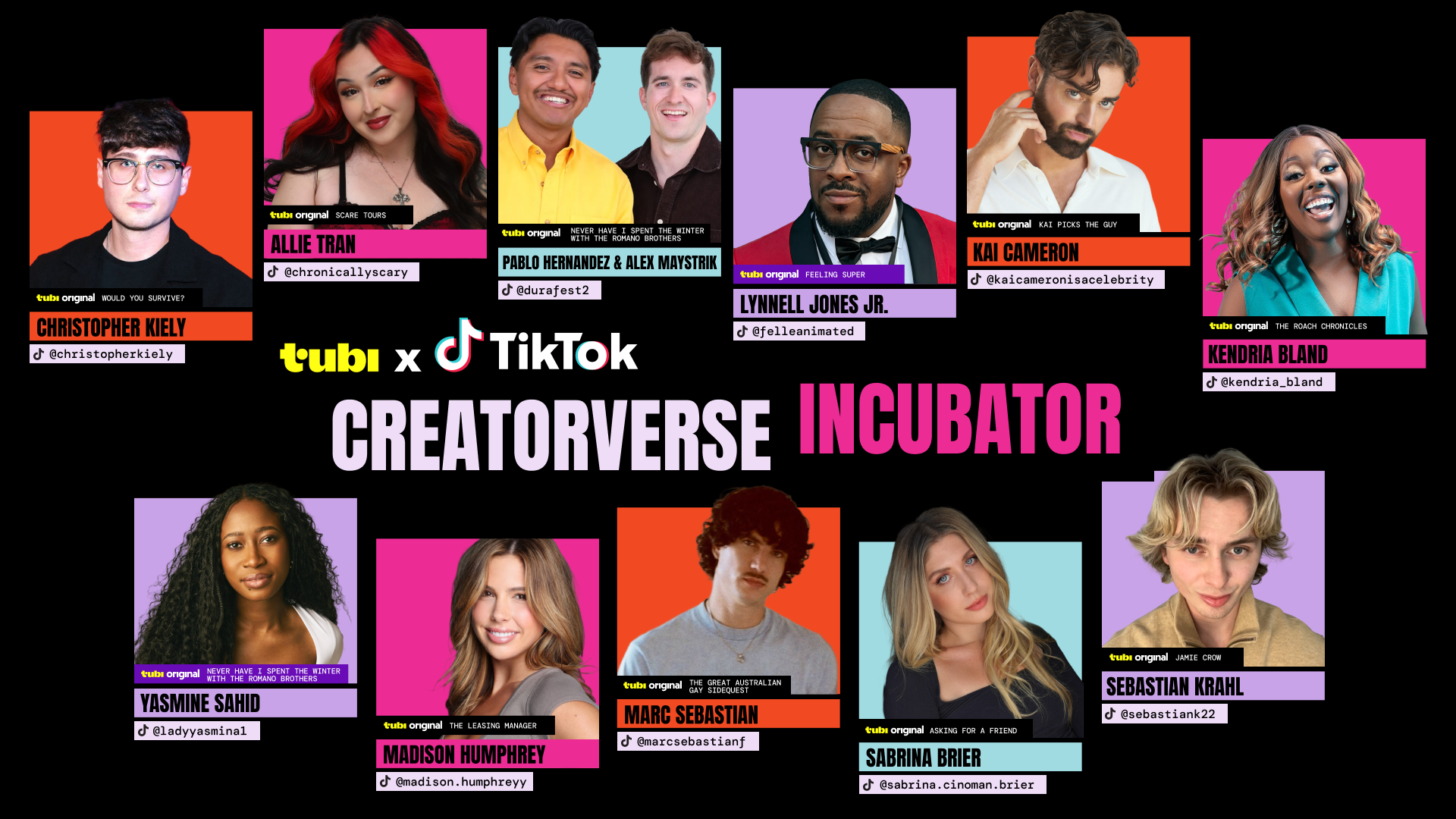
Tubi provides a particularly tangible benchmark. At the end of October the platform reported 110 million monthly active users. Together with TikTok it selected twelve creators to develop ten exclusive original series – including comedy, horror, dating and animation. The official Tubi announcement makes the difference visible: part of the business consists of already-produced archive material, another part of newly developed formats.
New funding routes are also emerging. The Tubi Kickstarter Fandom Fund is meant to develop new films and series from creators for streaming. And the merger of LV8 and Mirage shows that specialised distributors are increasingly forming their own marketing networks.
For established YouTubers this is a growth path beyond daily new uploads. Smaller creators, by contrast, need enough coherent episodes and clear rights to be able to offer an attractive package at all.
For sponsors, every airing now counts
The major contract sticking point is not the upload but the use of advertising already built into the content. Was a sponsor booked only for one YouTube video? May the ad integration continue in a TV version? Is the creator bound by temporary category exclusivity? And who reports the additional views?
Anyone who records these questions during production can license more easily later. Our report on YSL Beauty's influencer contracts shows why usage duration, paid usage and exclusivity are financially separate positions. Even with new creator studio contracts with streaming platforms, ownership of the format determines long-term value.
For creator teams in Germany, this leads to a practical priority: A video archive is a rights catalogue. Anyone who cleanly documents raw files, music clearances, contributor rights and sponsorship commitments can more easily recut and sell existing content later. The next revenue source may already be sitting on the hard drive.
Sources: Digiday, 18. November 2026 · Tubi/TikTok – Creatorverse, 27. October · Tubi – Creator series, April 2026.
Image: Official press photo of the Tubi x TikTok Creatorverse Incubators, October 2026; Tubi/TikTok.
Source