Magazine
YSL Beauty shows how influencer deals are negotiated – and where the budget goes
YSL Beauty and talent agency Night offer insight into creator negotiations. A look at briefing, paid usage, exclusivity, compensation and what it means for brands in Germany.

Contents · 4 sections
An influencer deal doesn't simply cost the price of one reel. YSL Beauty also negotiates additional platforms, paid usage rights and exclusivity alongside the actual content. How these decisions come about was explained by Hadley Musinsky, responsible for Influence & Advocacy at YSL Beauty, and Sophie Bressler from talent agency Night, in a Digiday industry conversation published on 17 November 2026.
For brands in Germany, there is a practical lesson here: an offer only becomes comparable once it is clear which service and which rights are actually being purchased. Large reach alone doesn't answer that question.
First the campaign goal, then the creator selection
YSL Beauty often works toward awareness and conversation value in creator collaborations. Musinsky describes campaigns where a strong creative idea is meant to trigger many further reactions, without every sale being attributed to a link.
A performance campaign, by contrast, needs different talent. Bressler cites as an example creators who can demonstrably drive link clicks through Instagram Stories. The takeaway for brands: if you want direct sales, you need to check different references than someone who wants to create a cultural moment around a product launch.
This fits the industry's problems: according to an IAB study from 10 November 2026, 67 percent of surveyed industry representatives name measurement as the central obstacle. 53 industry leads were surveyed for the report. Whoever defines the success metric before casting negotiates more precisely.
The post is only one of several budget items
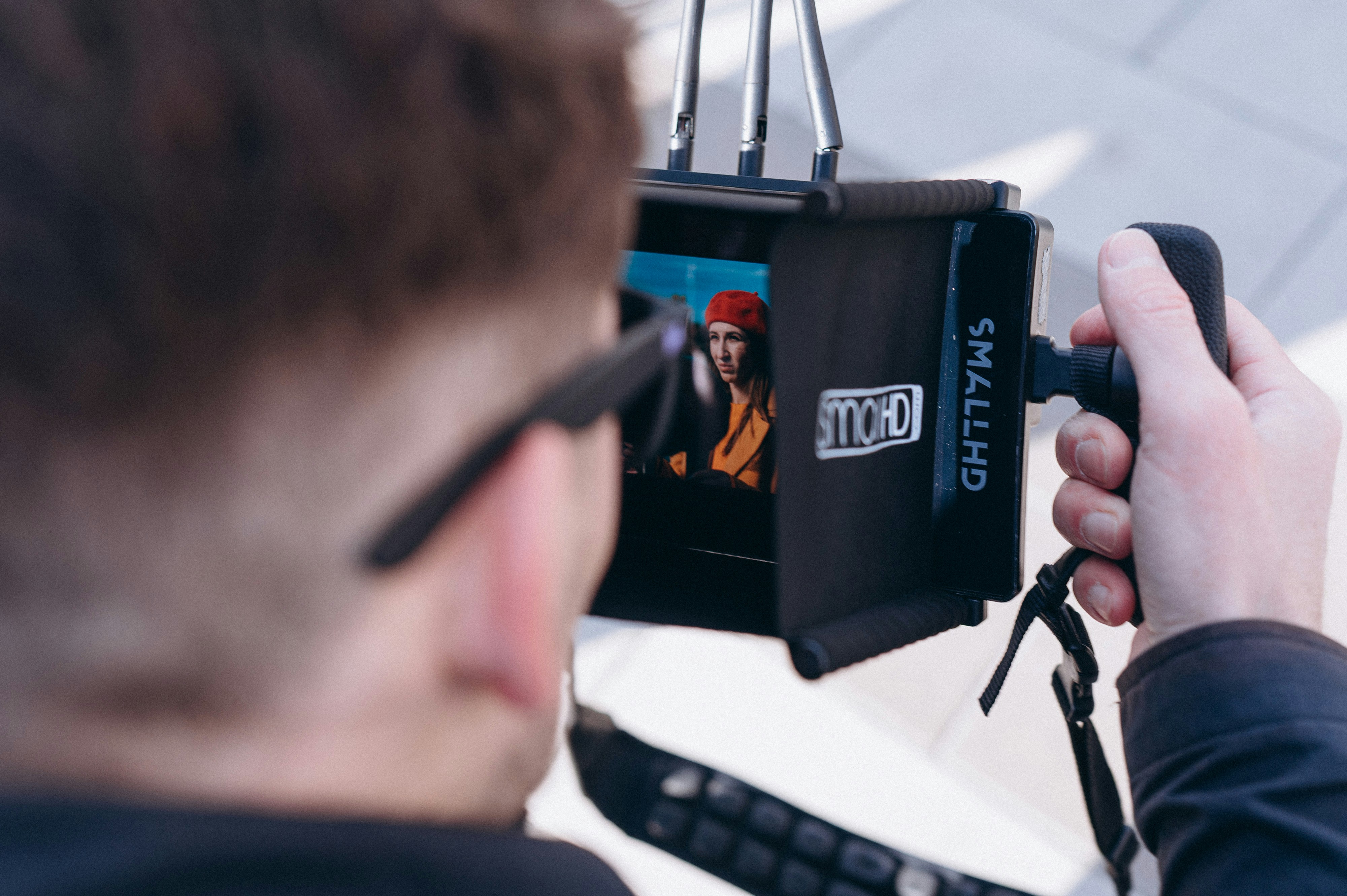
Content production: A video can include shooting, scripting, editing, set costs and correction loops. The actual effort depends heavily on the format – as our article on 100 hours of production for a creator advertisement shows.
Additional platforms: According to its own account, YSL asks, for example, whether a video planned for Instagram will also appear on TikTok or YouTube Shorts. Such additional placements are not automatically included in the original contract.
Paid usage: The brand wants to amplify creator content with ad budget. Musinsky names two weeks of paid usage as a common starting point, where the post can also run as an ad through the creator's account. That is a different service from a purely organic publication. Technically, such a collaboration can be organised via Meta's Creator Marketing Hub and Partnership Ads.
Exclusivity: A beauty brand can require that a creator promotes no competitors for a defined period. Bressler also points to a subtler effect: if an ad featuring a creator keeps running for weeks, other brands may steer clear of working with them even without a formal exclusivity clause. Advertising windows and non-compete terms should therefore be calculated together.
What happens when the offer becomes too expensive?
What is interesting about this negotiation practice: Night does not automatically try to simply push the creator price down. If the briefing is too costly, scope of services, duration of use, number of platforms or exclusivity are adjusted first. Fewer purchased rights can make a collaboration possible without destroying its creative core.
That is where it differs from flat price lists based on follower counts. A smaller package with meaningful reach can be more economical than a large contract whose additional rights the brand never uses. For comparison, our disclosed sponsored-post prices and advertising rights on LinkedIn are also helpful.
What belongs in a German creator contract
A brief should not start with the number of posts, but clearly assign goal, scope of deliverables, revisions, channels, publication period, paid-ads rights, term, exclusivity, compensation and due date. Transparency matters especially for fees: the IAB report names usage rights as a particularly contentious contract clause for 61 percent of respondents, and long payment terms as a problem for 60 percent.
Labelling of advertising is also a factor. The German media authorities recommend, among other things, placing advertising notices visibly at the start and marking all affected story slides in collaborations.
The essential shift in creator marketing is therefore a commercial one: brands are not just buying a face with reach, but production, distribution, advertising rights and, where applicable, the waiver of competing engagements. If you negotiate these four building blocks separately, you can deploy budgets more precisely and pay creators more fairly.
Sources: Digiday: Interview with YSL Beauty and Night, 17 November 2026 · IAB: Trusted Creator Brand Deal Initiative, 10 November 2026 · Die Medienanstalten: Guide to advertising labelling
Source