Magazine
The Trade Desk shrinks by 0,5 percent – Netflix becomes the test case for the restart
The Trade Desk reports 736 million dollars in revenue and a 0,5 percent decline. New Netflix audiences via Kokai show where the DSP is heading now.
Contents · 3 sections
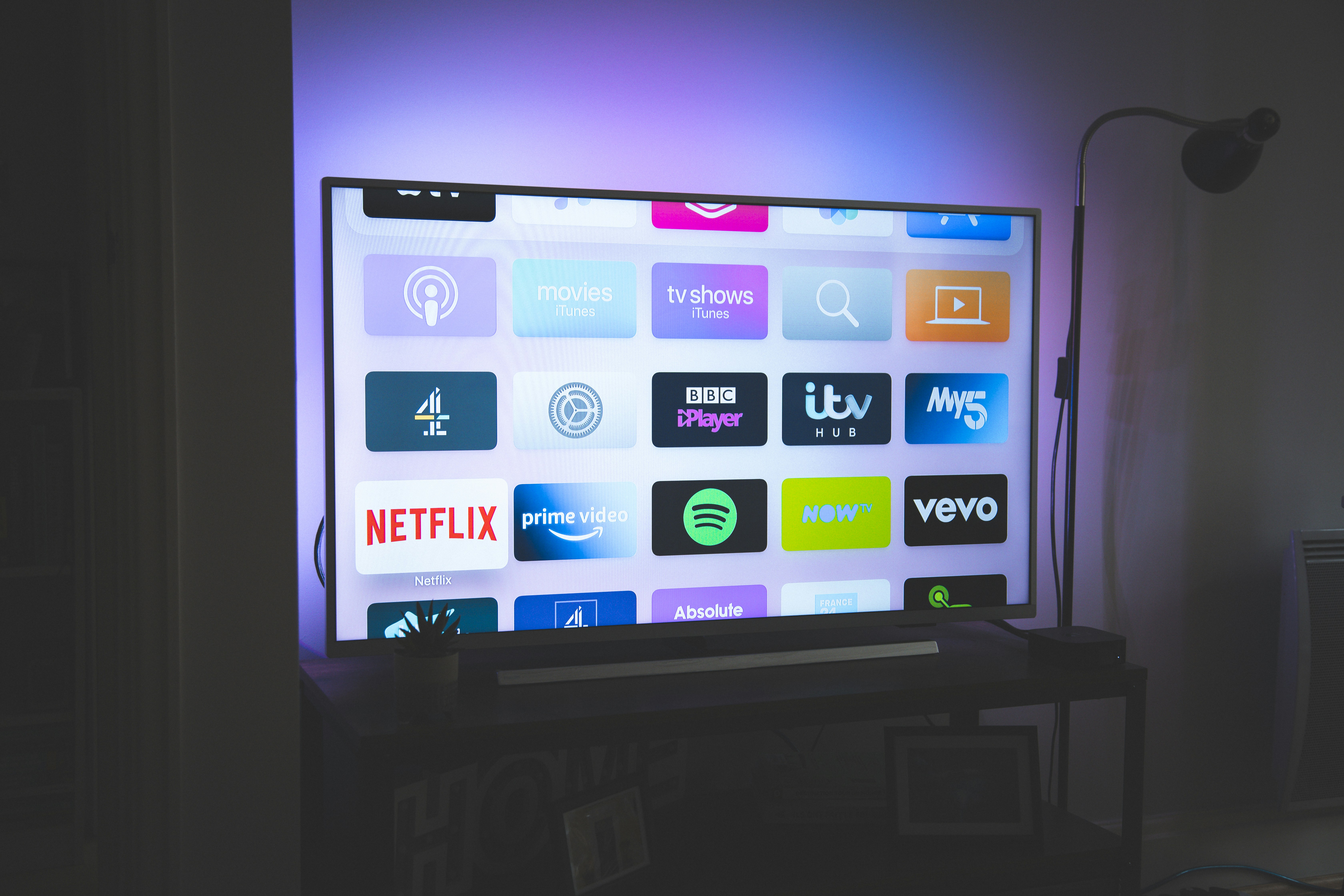
The Trade Desk's revenue fell slightly in the third quarter 2026 for the first time in a long while. The independent advertising platform reports 736 million dollars, 0,5 percent less than in the same quarter last year. At the same time, Netflix of all companies is becoming an important building block of its restart: from November, advertisers can use their own and external audience data via Kokai for Netflix campaigns.
736 million dollars in revenue – and significantly less profit
The9official Q figures from The Trade Desk, published on **3results show how sharply growth has cooled. A year earlier, the company had still grown by 18 percent in the third quarter. Now revenue fell from 739 to 736 million dollars.
Net profit fell from 116 to 38 million dollars, adjusted EBITDA from 317 to 266 million dollars. Customer retention remained above 95 percent. For the fourth quarter, the platform expects at least 755 million dollars in revenue and 280 million dollars in adjusted EBITDA. Restructuring costs are among the factors weighing on profit.
That is an unusual combination: customers stay, but spending through the platform is no longer rising at its usual pace. CEO Jeff Green therefore speaks of a realignment in how it serves large advertising clients, operates the platform and handles measurement.
Netflix becomes programmatically more precisely targetable
For media teams, the most exciting product news from the figures is the expanded collaboration with Netflix. The Trade Desk already announced the new targeting options on October 20: from November, buyers will be able to bring in first-party audiences and additionally use external data from the Kokai marketplace.
According to the provider, this marketplace includes more than four million segments from over 300 data partners. Previously, Netflix inventory was already accessible in Kokai via the "Sellers and Publishers 500+" collection. Now the focus is more on who a campaign reaches on Netflix, rather than just where it runs. Integrated measurement features have been announced but are not yet fully rolled out.
This affects a market where not only classic TV but also streaming inventory, retail data and data-driven planning compete with one another. The Srocket article on Netflix Ads and new conversion measurement looks at the platform perspective. The analysis of CTV advertising and problematic genre tags shows why better audiences alone do not yet make a good media plan.
AI agents, new data partners and possible acquisitions
Internally, The Trade Desk is rebuilding its Kokai interface around Zuma, "Audience Unlimited" and agentic features. The idea: campaigns should be planned and optimized faster. The platform also names new integrations for health advertising, brand lift measurement and show-based CTV targeting via Gracenote.
At the same time, CEO Jeff Green is at least in principle opening the door to acquisitions. Digiday reports on his remarks on M&A strategy: the company is now examining possible acquisitions more intensively but wants to maintain high requirements for strategic fit. No specific purchase has been announced.
This fits a broader picture. While the latest adtech figures from AppLovin and Magnite show different growth rates, The Trade Desk must prove that its independent platform remains attractive to streaming providers, agencies and large advertising ecosystems. The planned AI agents for dynamic audiences are also part of this strategy.
For advertisers in Germany, the key operational question is this: How well can first-party data, premium streaming reach and measurement be combined in a single booking flow? It is precisely at this intersection that The Trade Desk is looking for new growth.
Image: Nicolas J Leclercq / Unsplash.
Source