Magazine
Apple tells a Christmas story 2026 as an artist's tale: MacBook Neo becomes a gift for creativity
Apple's Christmas film “The Dreamer” tells of a lost passion for art – and makes the MacBook Neo a creative fresh start. What brands can learn from it.
Contents · 3 sections
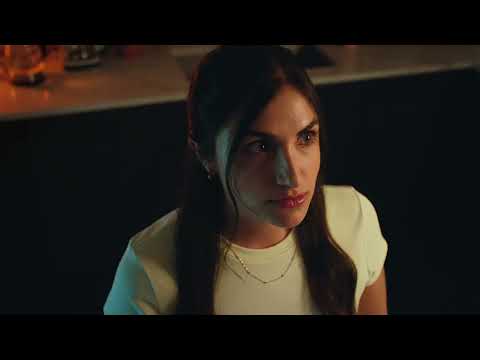
Apple's new Christmas film doesn't rely on a parade of technical features, but on a lost and rediscovered passion: In “The Dreamer”, released on 12 November 2026, the brand follows a young person from first wonder at shapes and colours into adulthood. At the end, a MacBook Neo comes into view – as a gift that opens the way back to their own art.
The roughly four-minute film was made with TBWA\Media Arts Lab. It was directed by Melina Matsoukas, with cinematography by Bradford Young; the artworks shown in the film come from Hebru Brantley. The story works without spoken dialogue. Apple places at the centre a question that reaches far beyond computer advertising: who actually makes room for creative ideas in everyday life?
From camera proof to creative promise
Looking back at Apple's previous Christmas campaign shows how deliberately the emphasis was shifted. 2025 followed viewers in “A Critter Carol” through handcrafted woodland animal puppets who, with a lost iPhone 17 Pro, made a musical film. The device's camera was a visible part of the production. The award-winning film was later expanded with making-of material and social clips – the campaign archive of the One Club also documents this.
“The Dreamer” takes a different route: the device appears as the turning point of a personal story. The product promise remains recognisable without a menu or performance figure having to carry the emotional high point. The idea behind it is clear: it's not the computer that stands at the centre, but what someone wants to create with it.
For the German market, the product is no distant US novelty. Apple already introduced the MacBook Neo domestically in March 2026. According to Apple it starts at 699 euros including VAT or 599 euros for education, uses the A18 Pro and has a 13-inch Liquid Retina display. It is precisely the cheaper entry price that makes the Christmas motif understandable: a computer becomes a tool for someone who wants to resume their creative work.
Why a four-minute film is interesting for social media
A long brand film doesn't have to force a purchase decision in the first three seconds. It can first build a motif, develop characters and only then resolve with the product. For social teams this yields a usable creative toolkit: individual striking images, emotional turning points, artist portraits or a making-of. Which additional formats Apple will actually run is not yet documented; these possibilities are editorial context, not announced assets.
The dialogue-free approach also makes the story easier to understand across language barriers. Especially for international brands, the same story can be told without rewriting every scene for individual markets. And the involvement of an independent artist gives the visual language a face: a specific style is more recognisable than a generic Christmas look.
Similar decisions can already be observed this season. Prada and e.l.f. are relying on 2026 handcrafted animation, while Amazon is spreading its Christmas film across social, CTV and cinema. Adobe's “Made to Create” also puts creators' individual signature at the centre. The shared direction: brands want to stand out with recognisable stories and people, not with faster production alone.
Three questions for campaign planning
Anyone taking something from Apple's approach for smaller budgets doesn't need to commission a four-minute cinema film. What matters is the dramatic role of the product: which problem or wish makes it relevant in the story? Second, the campaign needs its own visual identity that also works as a single image or short excerpt. Third, distribution should be planned early – from the main film through short social versions to making-of and creator content.
In this sense, “The Dreamer” is above all an example of product marketing through cultural meaning: the MacBook Neo is not made the main character. It enables the main character to become creative again.
Sources: ADWEEK, 12. November 2026 · The Apple Post, 12. November 2026 · Apple Newsroom, MacBook Neo announcement, 4. March 2026 · The One Club, “A Critter Carol”.
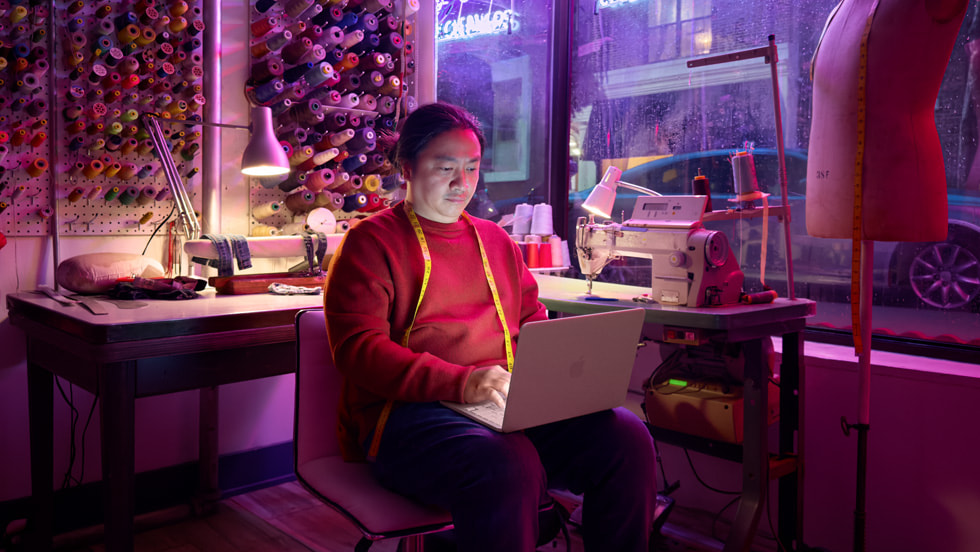
Image: Official Apple archive image of the MacBook Neo from March 2026; not a scene from “The Dreamer”.
Source