Magazine
YouTube now counts TV viewers: co-views change public view counts
Since 16 November 2026, YouTube has been estimating the number of people watching along on TV and adding them to views and watch time. The new co-view rate shows creators and brands the effect.
Contents · 4 sections
Since 16 November 2026, YouTube no longer only counts playbacks on televisions; it also estimates how many people are sitting in front of the screen together. These so-called co-views now feed into the public view counts of videos, Shorts and livestreams. For creators and brands, the same TV usage can therefore produce more visible views. At the same time, YouTube is introducing a metric in Studio that lets you measure the effect.
The change is described in YouTube's official creator announcement from 16 November and in the YouTube Data API changelog.
One TV, several viewers: how co-views work
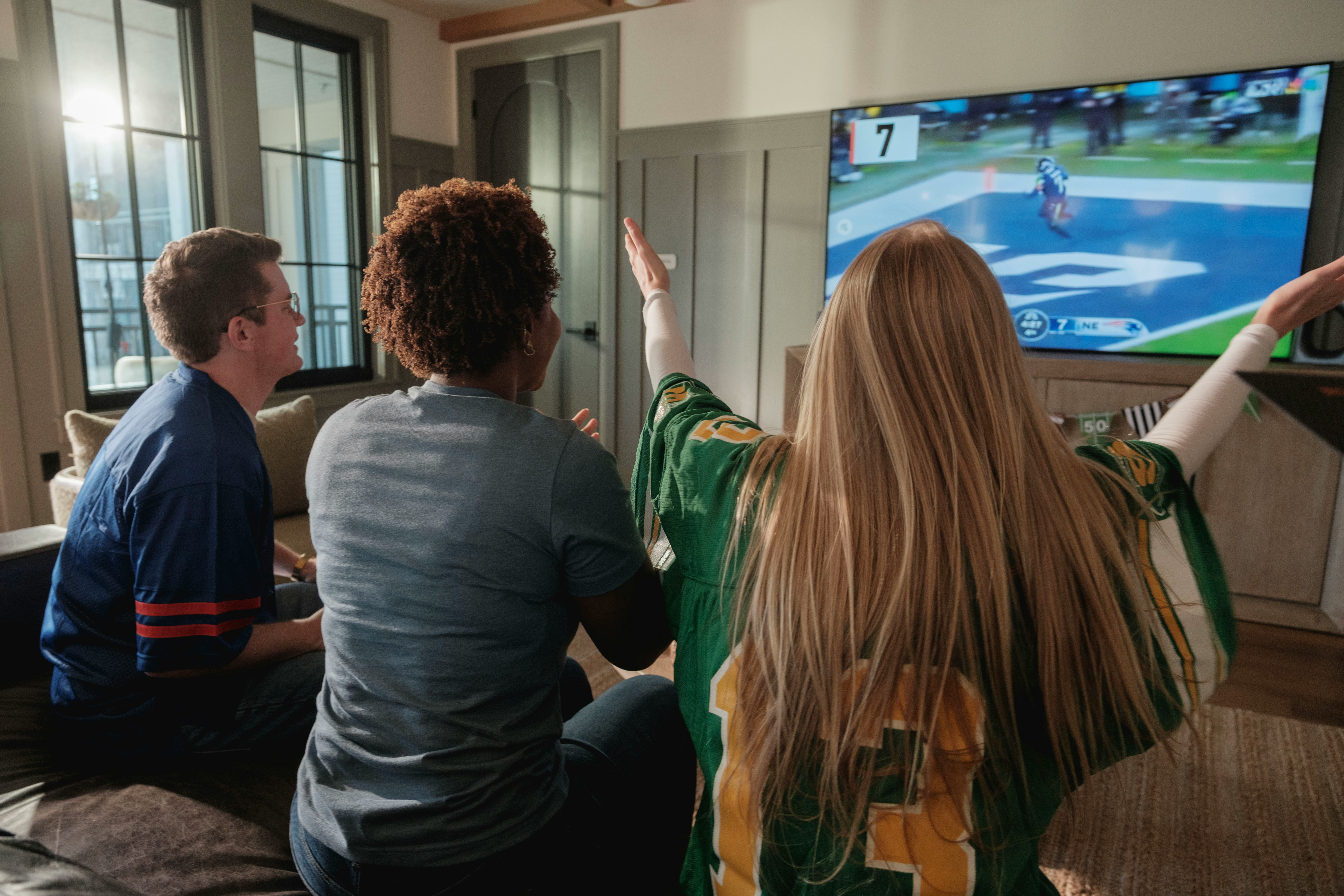
If a family of three watches a video together on a smart TV, it has so far counted publicly as one playback. YouTube can now use a statistical model to account for additional viewers. According to the platform, the estimate draws on, among other things, demographic patterns, video information and the time of use. No cameras or microphones are used for this.
Only TV playbacks are affected; on smartphones, tablets and computers, a playback still counts as one view. YouTube also only applies the additional co-views to new TV views and does not retroactively revise older figures. This matters especially for channels whose audiences increasingly tune in on the big screen. Why this shift toward the living-room screen also changes video production is explained in our background piece on YouTube and connected TV in Germany.
New metric in Studio: “co-view rate”
In the expanded YouTube Studio report under Device Type, the co-view rate appears. It shows how strongly estimated co-viewers increase the view counter. A rate of 1,10 means, in YouTube's example: for 1.000 original TV playbacks, there are 1.100 counted views. To calculate the baseline value, YouTube describes the formula total views ÷ co-view rate.
According to the YouTube Help, the existing Analytics metric “Views (co-viewed)” remains available in the expanded mode until May 2027. At the same time, YouTube is including the estimated additional viewers in public views, reported watch time and live viewer counts. These changes are also documented in the Analytics and Reporting API definitions.
What changes for creator deals and campaign reports
For a creator with a large TV audience, a rising public view count may in future also be due to the new counting method. Marketing teams should therefore mark 16 November as a methodology change when comparing years, and evaluate device type, co-view rate, engaged views and actual campaign results alongside views.
According to YouTube, creator payouts and the requirements of the YouTube Partner Program do not change. Engaged views remain separate from co-views. This distinction has mattered since the August reform, when YouTube began counting public views from the very first video frame. For media planners, the new figure is an additional look at the living-room audience, while campaign budgets continue to depend on the contractually agreed measurement metrics.
The discussion fits with YouTube's rise in the TV advertising market: according to a Comscore survey on streaming ad time, a substantial share of the streaming ad time measured on US televisions went to YouTube in August 2026. With co-views, the public video counter now also moves closer to the traditional TV understanding, in which several people in front of one device are taken into account.
The YouTube API also gets new rules
In the same API update, YouTube is changing how paid product placements are labeled: `paidProductPlacementDetails.hasPaidProductPlacement` no longer has an implicit default value `false` for automatic uploads. Publishing tools must set the value explicitly if a video should be declared as having no paid placement. In addition, YouTube is testing a Posts API initially with selected partners; broader access is planned for 2027.
For agencies with automated publishing, it is therefore worth a technical check of the upload workflow – separate from the editorial assessment of the new viewer metrics.
Image: Apartment Life / Unsplash (stock image).
Source