Magazine
Pinterest tightens shopping rules: AI product images and fake discounts in its sights
Since 12 November, Pinterest has been enforcing stricter rules against deceptive AI product images, fake discounts and fake shops – covering ads, product catalogues and organic pins.
Contents · 3 sections
Pinterest has tightened its rules against deceptive shopping offers. Since 12 November 2026, a dedicated section on fraud and misleading business practices explicitly covers manipulated or AI-generated product depictions, fake prices, fake giveaways and non-existent shops. The change applies not only to paid ads: Pinterest has also anchored these requirements in its Community Guidelines and extended them to its merchant rules for product catalogues.
For German e-commerce teams this is especially relevant just before Black Friday. If you sell products through pins, catalogue ads and your own landing pages, you need to keep the entire journey from image to checkout consistent.
AI product images: the problem is not the tool, but the deception
The updated Pinterest advertising policies prohibit offers that misrepresent products through synthetic media or manipulated content. Hidden costs, misleading prices, swapped products, deceptive redirects and fabricated vouchers are also covered.
An AI-generated living-room mockup is not blanket-banned. It becomes a problem when a pin promises a product colour, feature or effect that the product actually on offer does not have. The same applies to exaggerated before-and-after results or seemingly exclusive discounts that disappear at the cart.
Pinterest is also tightening its landing page rules: pop-ups that cannot be closed and redirects that lead users away from the advertised offer are explicitly listed as unacceptable experiences.
Free pins and product feeds are covered too
The Community Guidelines go beyond classic advertisements. They also cover organic pins and offers where the actual purchase happens outside Pinterest. The Merchant Guidelines list the new category explicitly among prohibited merchant practices. A clean product feed is therefore not enough if the destination page shows a different item or price.
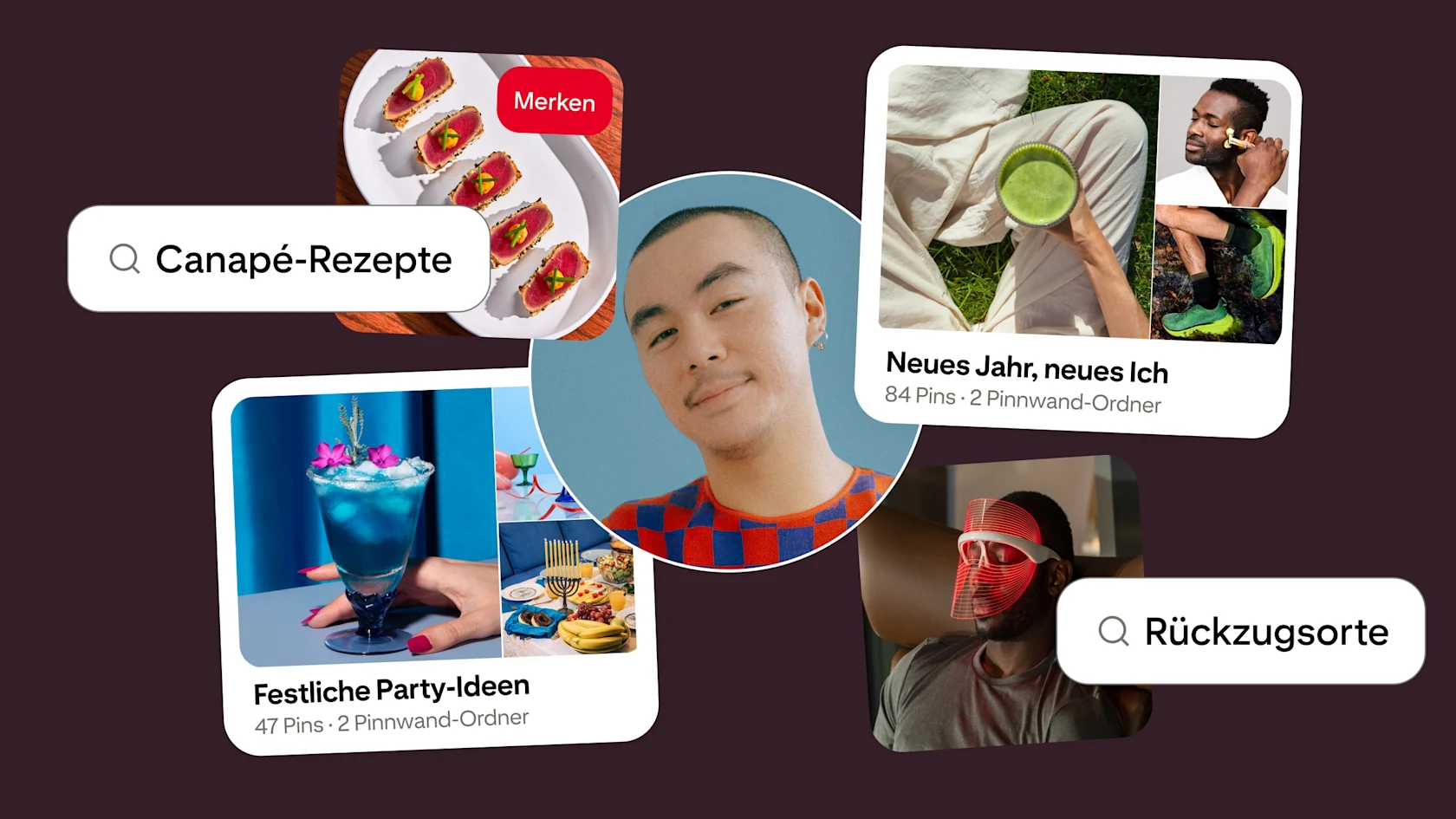
This development coincides with Pinterest's growing shopping ambitions: new wishlists, price alerts and AI product comparisons are meant to accompany users for longer during their purchase decision. At the same time, concrete rules for genuine offers make this shopping environment more reliable for merchants and buyers.
The Black Friday check for merchants
Before the next sale, it is worth systematically comparing catalogue data, ad copy and your shop:
- Price and availability: Do the discount, stock status and total price match from the pin through the product page to checkout? Do time-limited promotions actually end at the advertised time?
- Images and performance claims: Does an AI visual depict features realistically, or does it suggest a different product?
- Landing pages: Do links lead to the advertised item without misleading intermediate steps, forced pop-ups or hidden follow-up costs?
- Giveaways and codes: Are prizes, participation terms and redemption conditions genuine and transparent?
This check complements the technical steps in our Pinterest Black Friday guide for catalogues and attribution. It should also become part of the ongoing workflow for Pinterest Shopping Ads and Performance+ before further creatives are rolled out automatically.
The platform rule is already in force. In parallel, the EU is working on a Digital Fairness Act against dark patterns and misleading online advertising – a separate legislative proposal that has not yet been adopted. For merchants, this sends a clear signal: good shopping creatives must not only generate clicks, but also deliver the promised offer at the destination.
Sources: Pinterest Advertising Guidelines · Pinterest Community Guidelines · Pinterest Merchant Guidelines · AuditSocials on the policy change of the 12. November
Source