Magazine
Unilever works with 500.000 creators – and produces twelve times more content
Unilever is scaling creator marketing, AI-driven production and AI search measurement. The figures from the investor day show how social-first marketing is transforming the organisation.

Contents · 4 sections
Unilever now puts its creator network at 500.000 people – previously the group spoke of 300.000. At the same time, the brand manufacturer says it produces twelve times as many content assets as 2024, at 90 percent lower cost per asset. The figures come from the new strategy presentation of 4 November 2026, reported by Marketing Dive on 12 November.
This is more than a bigger influencer budget. Unilever is building its marketing as an ongoing content production system in which creators, AI-supported assets, data and commerce work together. For brands in Germany and beyond, it offers a tangible look at the next organisational stage of social-first marketing.
From single campaigns to continuous content supply
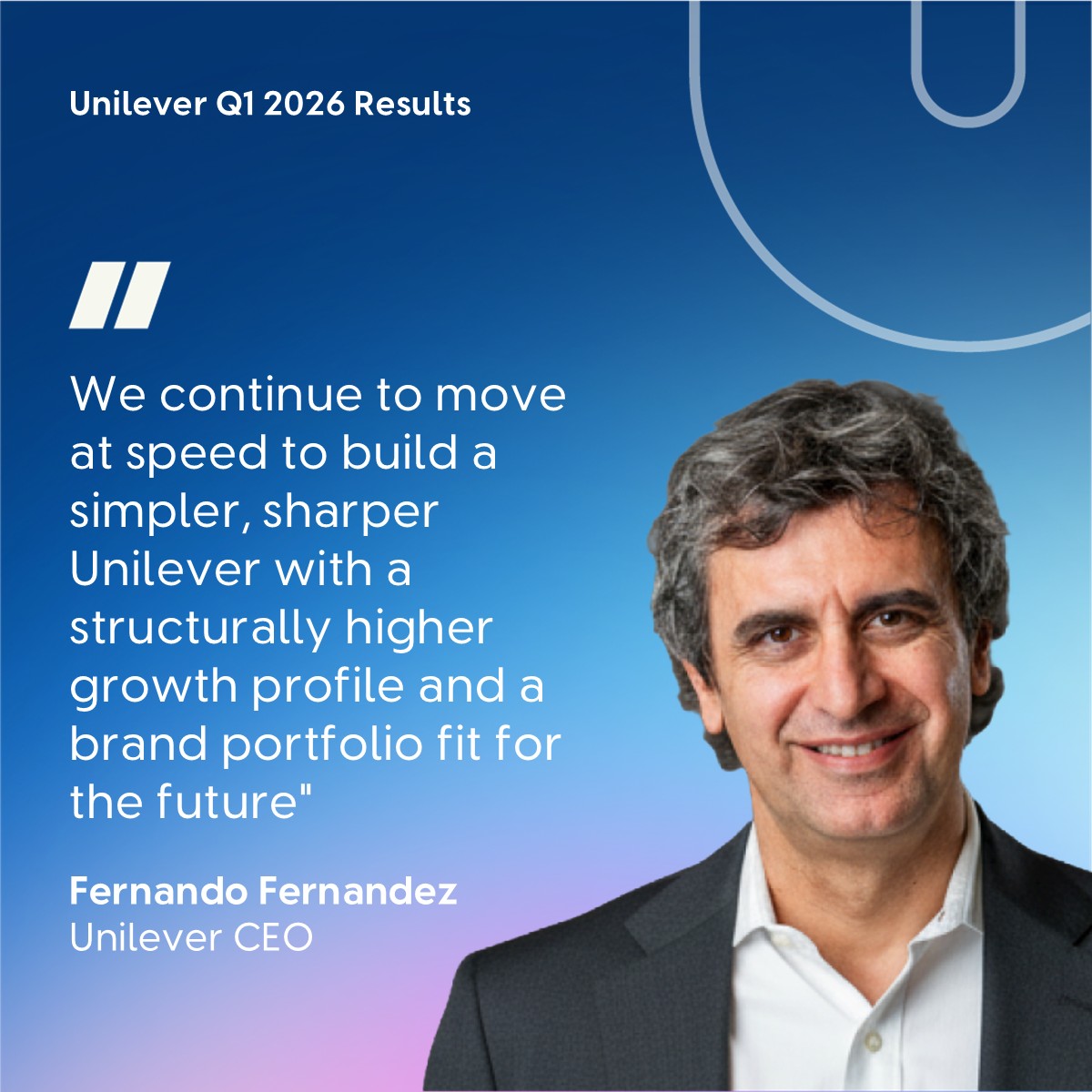
Unilever's strategy aims to align half of its digital advertising spend with social-first and creator-oriented formats. According to CEO Fernando Fernandez, around 20.000 creators were previously part of the system; now there are hundreds of thousands. The group speaks of delivering content faster and with more regional specificity.
Behind this lies a shift in media economics. While brands once gained advantages through large TV buying volumes, social advertising platforms increasingly reward relevant creatives and strong engagement signals. This makes the volume of quickly testable content itself a competitive advantage.
A practical preview came from the House of Fresh activation around the 2026 World Cup: according to Unilever's review, more than 2.100 creators and sports personalities attended the experiences in Mexico City, New York and Miami. This produced over 6.000 content posts and a total reach of 2,5 billion across social and PR, as reported by Unilever. The event was deliberately designed as a shooting location for mobile videos.
AI provides the speed, creators provide cultural closeness
Unilever uses AI for idea development, briefing, content production and analysis. According to the figures presented at the investor day, creator content delivers a 1,5 times higher ROI than brand-led content. This is a company claim and not a universal benchmark.
AI is also meant to enable more variants of product visuals, messages and ads. Unilever states that it continuously uses 60.000 consumer signals and more than 25 million data points in its innovation processes. The faster platforms wear out content, the more valuable a process becomes that can test new visuals without lengthy campaign production.
For smaller brands, the key lesson is not buying hundreds of thousands of creators. They can build the same workflow on a smaller scale: identify topics from real customer conversations, create reusable briefs, test several creatives and evaluate performance by audience. AXE combining social-first with nostalgia and how Vaseline turns a social trend into a product test are two further brand examples.
The next sales channel is AI answers
Unilever's view of AI search is notable. The group reports tracking more than one million prompts across over 30 markets and making product information machine-readable. In future, content should work not only in Instagram feeds or TikTok videos, but also in recommendations from AI assistants and shopping agents.
This places new demands on brand management: creators deliver credible use cases; structured data and independent reviews make these products understandable for automated recommendations. We have already looked at how creator marketing and AEO connect.
Organisation follows the new strategy
From 2027, Unilever plans a model with stronger global strategy and local execution. Marketing chief Leandro Barreto is set to become Chief Growth and Marketing Officer from 1 January 2027. The role links brand building even more closely with growth and business responsibility.
Whether in the creator fee debate over leads instead of follower counts or in Unilever's industrialisation of social content: the common denominator is a tighter link between attention, testing speed and real business results.
Sources - Unilever: Investor Event 2026 from the 4 November - Unilever: House of Fresh – creator marketing for the World Cup 2026 - Marketing Dive: Unilever's social-first strategy and reorganisation - Marketing Dive: Unilever and Google Cloud for AI discovery
Source